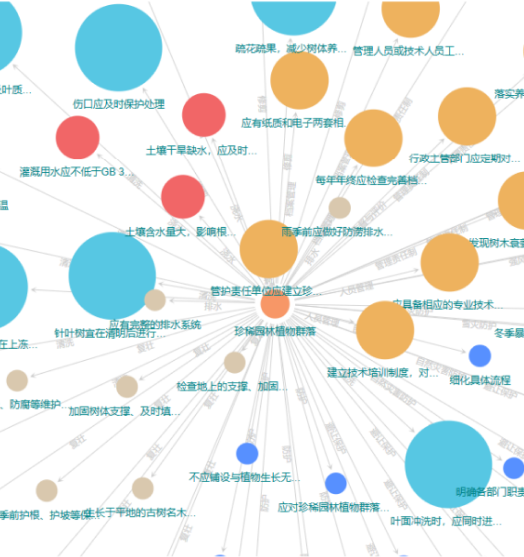
Nature Education Agent System
I. Problems Addressed and Product Positioning
Natural education practice often faces three main challenges: Firstly, the high threshold for curriculum development requires integrating interdisciplinary knowledge from biology, ecology, education, etc., making it difficult for small institutions or individuals to accomplish independently. Secondly, knowledge is fragmented and hard to reuse, with information such as characteristics of flora and fauna, activity cases, and local resources being scattered, making manual compilation time-consuming. Thirdly, personalized adaptation is challenging, as different age groups and venues (e.g. community parks, campuses) require differentiated solutions, and traditional manual design is inefficient.
To address these challenges, we have developed a prototype natural education intelligent agent system based on a large language model. It is not intended to replace educators’ creativity but is positioned as a “curriculum assistance generation tool”. Through multi-agent collaboration (demand analysis, content generation, quality assessment) and integration with a natural history knowledge graph, it automatically synthesizes site information (e.g. photos) and participant characteristics (age, needs) to generate tailored curriculum plans. It is adapted for three scenarios: educational institutions (simplifying curriculum development), outdoor educators (supplementing professional knowledge), and parent-child families (designing lightweight nature activities), providing foundational technical support for the intelligentization of natural education.
II. Practical Value and Effectiveness
Based on testing, the system has demonstrated value aligned with needs: For educational institutions, the course development work that originally took 3 to 5 days to complete can now be accomplished by simply uploading venue photos and filling in participant information. Within a few hours, a plan including activity steps and key knowledge points can be generated, and ecological safety precautions can also be automatically marked, thereby reducing repetitive labor. For outdoor educators, the system can automatically supplement local knowledge of flora and fauna (e.g.characteristics of common local tree species), eliminating the need for manual data searching. For parent-child families, uploading photos of residential areas or parks can generate simple nature observation activities (e.g. “find three leaves of different shapes”), lowering the threshold for family-based natural education. Currently, the system is adapted for small to medium-scale venues (communities, campuses), and the curriculum compliance and knowledge accuracy meet basic teaching requirements.
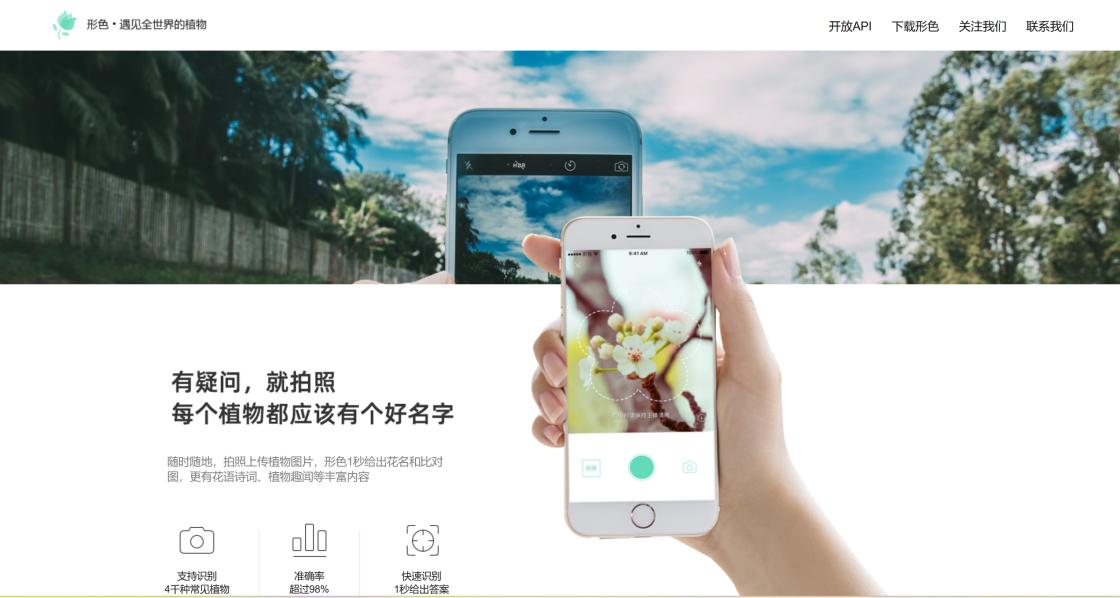 Figure 1 Nature Science Popularization App "Xingse" Interface Example
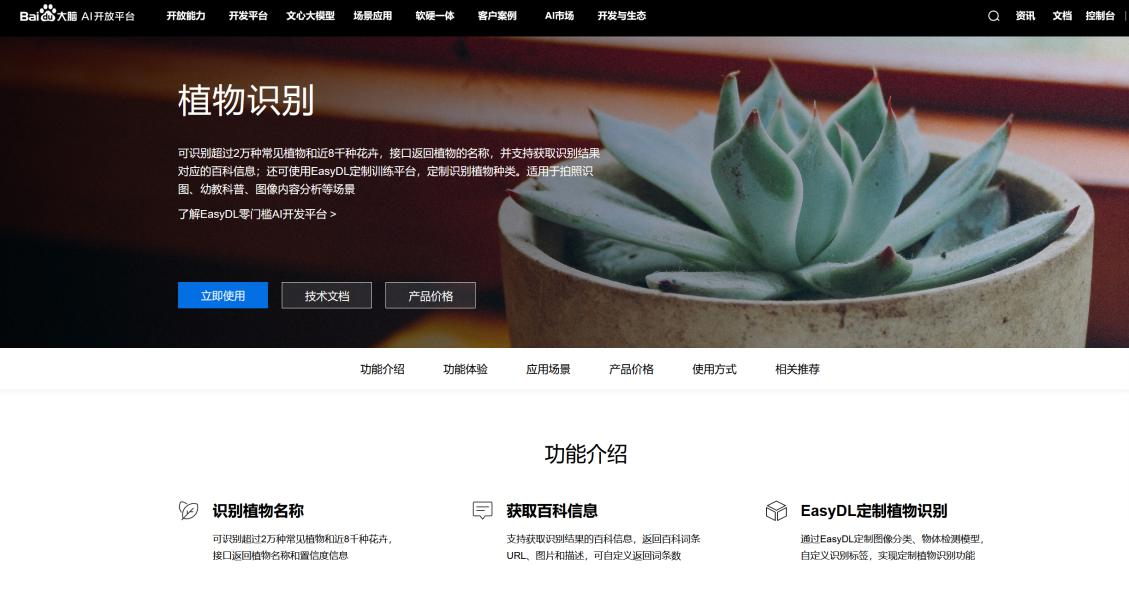 Figure 2 Nature Science Popularization App "Xingse" Feature Demonstration
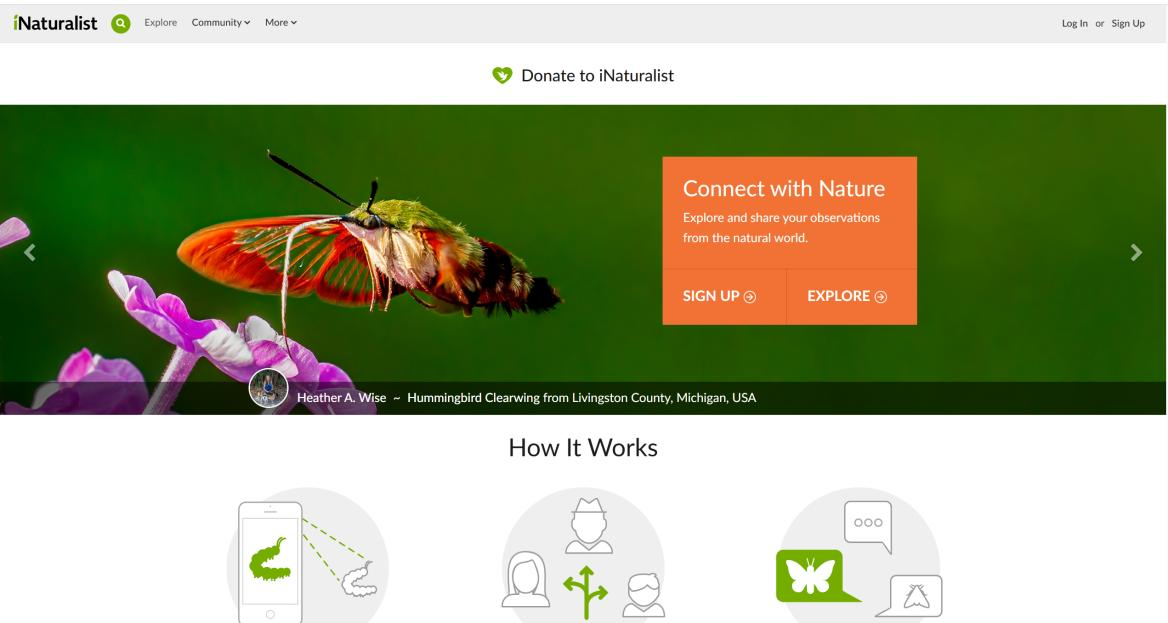 Figure 3 Nature Science Popularization Website iNaturalist Interface
The current system still has room for optimization in areas such as multimodal interaction (e.g. AR live guidance, plant image recognition), supplementation of regional knowledge (e.g., data on species unique to Southwest China), and integration with outdoor education hardware (e.g. smart wristbands). If you are a natural education institution seeking to improve curriculum development efficiency, a cultural tourism company in need of customized natural education activity plans for scenic areas, or an educational software team looking to integrate intelligent curriculum generation functions, please feel free to contact us. We can provide customized services to develop exclusive curriculum templates for institutions, open interfaces for software teams, and collaborate with tourism partners to build localized knowledge modules, ensuring the technology better aligns with practical teaching scenarios and promoting the translation of academic achievements into practical tools.