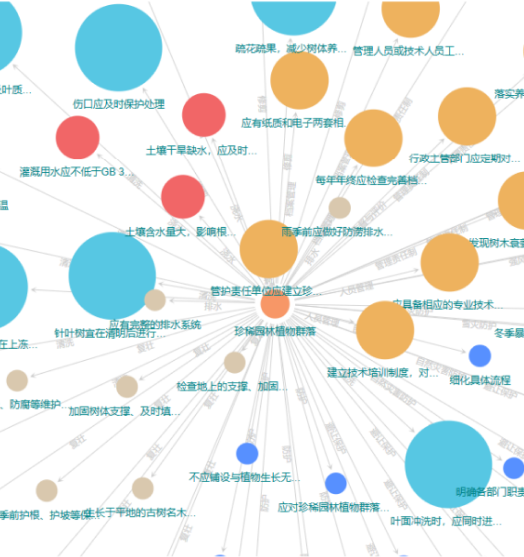
Pre-19th Century Western Garden History Knowledge Graph System
1. Problems Addressed and Product Positioning
When studying the history of Western landscape before the 19th century, practitioners often face the challenge of fragmented information: garden literature, design drawings, and records of people and events are scattered across different books or archives. To trace the cross-regional dissemination path of a certain style (e.g., French classicism) or the historical evolution of a certain garden (e.g., the Château de Versailles), it is necessary to manually integrate information from multiple sources, which is time-consuming and prone to missing connections. Ordinary search tools struggle to reveal the deep connections between "gardens - people - ideas - historical events", such as the inability to intuitively see the logic of the influence of the Enlightenment on English landscape garden.
Addressing these pain points, we have developed a prototype of a knowledge graph system for the history of Western landscape before the 19th century. It is not intended to replace the analytical judgments of researchers, but rather to serve as an "academic and practical auxiliary tool". Utilizing graph database technology, it integrates data on 216 garden entities, 632 related individuals, and 769 historical events, standardizing the associative logic of "style - technology - thought - time and space" to help users quickly integrate fragmented information. It is suitable for three types of audiences: scientific researchers (to simplify data integration), educational institutions (to assist teaching), and garden heritage conservation teams (to query historical evidence), providing structured support for the research and application of Western landscape history.
 Figure 1 Individuals by Class Window View of Instance Import
2. Practical Value and Performance
From the test results, the system has been able to meet the core requirements: for researchers, querying "How Classical Gardens Spread from France to Europe" does not require searching for multiple monographs. The system can visually display the transmission path (such as the association with the design of the La Granja estate in Spain imitating Versailles), and the efficiency of information acquisition has been improved by more than 80%; For educational institutions, using diagrams to display the evolution of styles from ancient Rome to Renaissance gardens allows students to intuitively see changes in elements such as water bodies and vegetation, making abstract history easier to understand; For heritage conservation teams, when restoring historical gardens, they can quickly retrieve the original form of the garden (such as the layout of a herb garden in a monastery garden) to avoid deviating from the historical appearance of the restoration. At present, the system's retrieval accuracy is stable and can meet the basic needs of information integration and visualization.
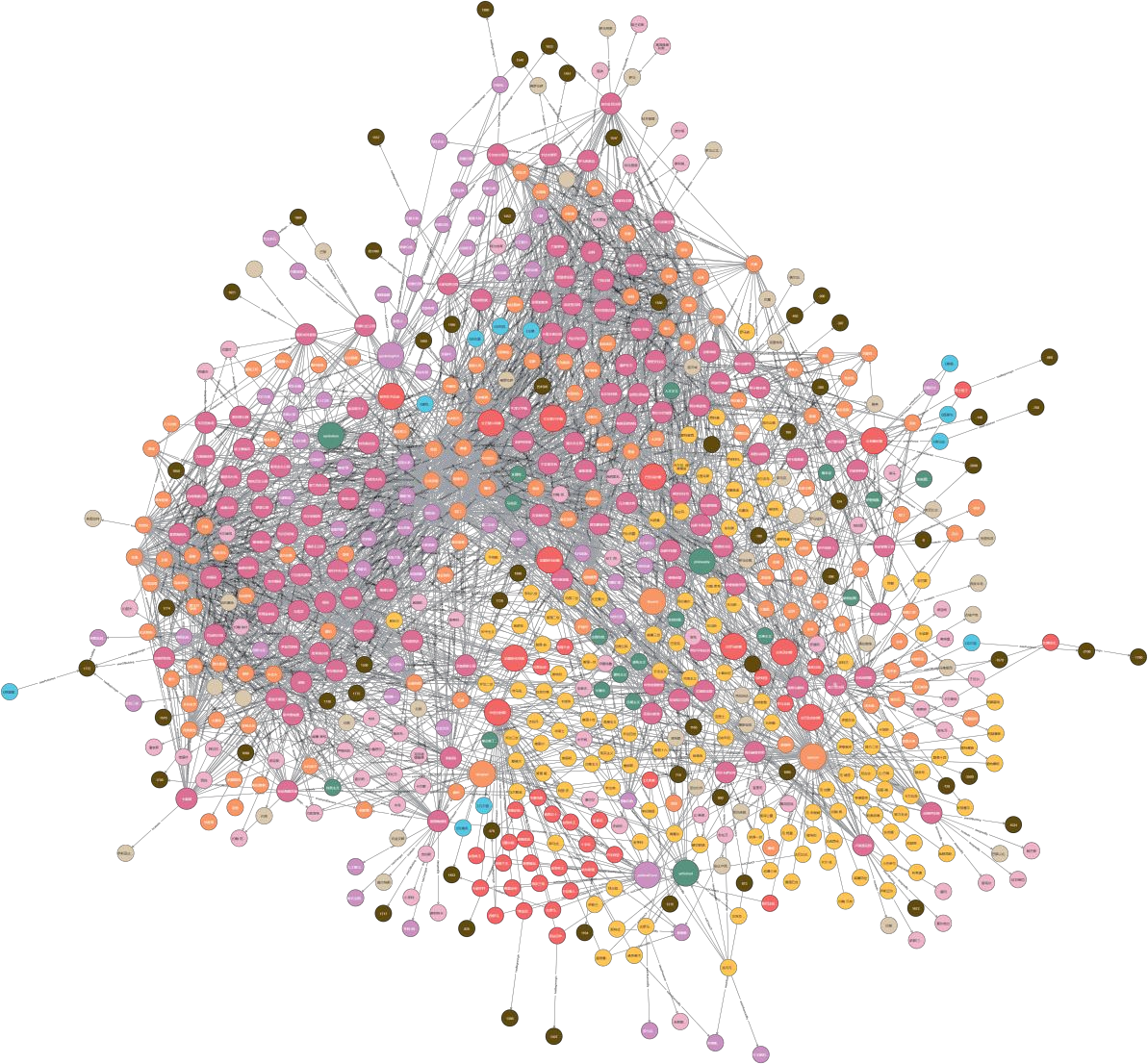 Figure 2 Western Garden History Knowledge Graph Visualization
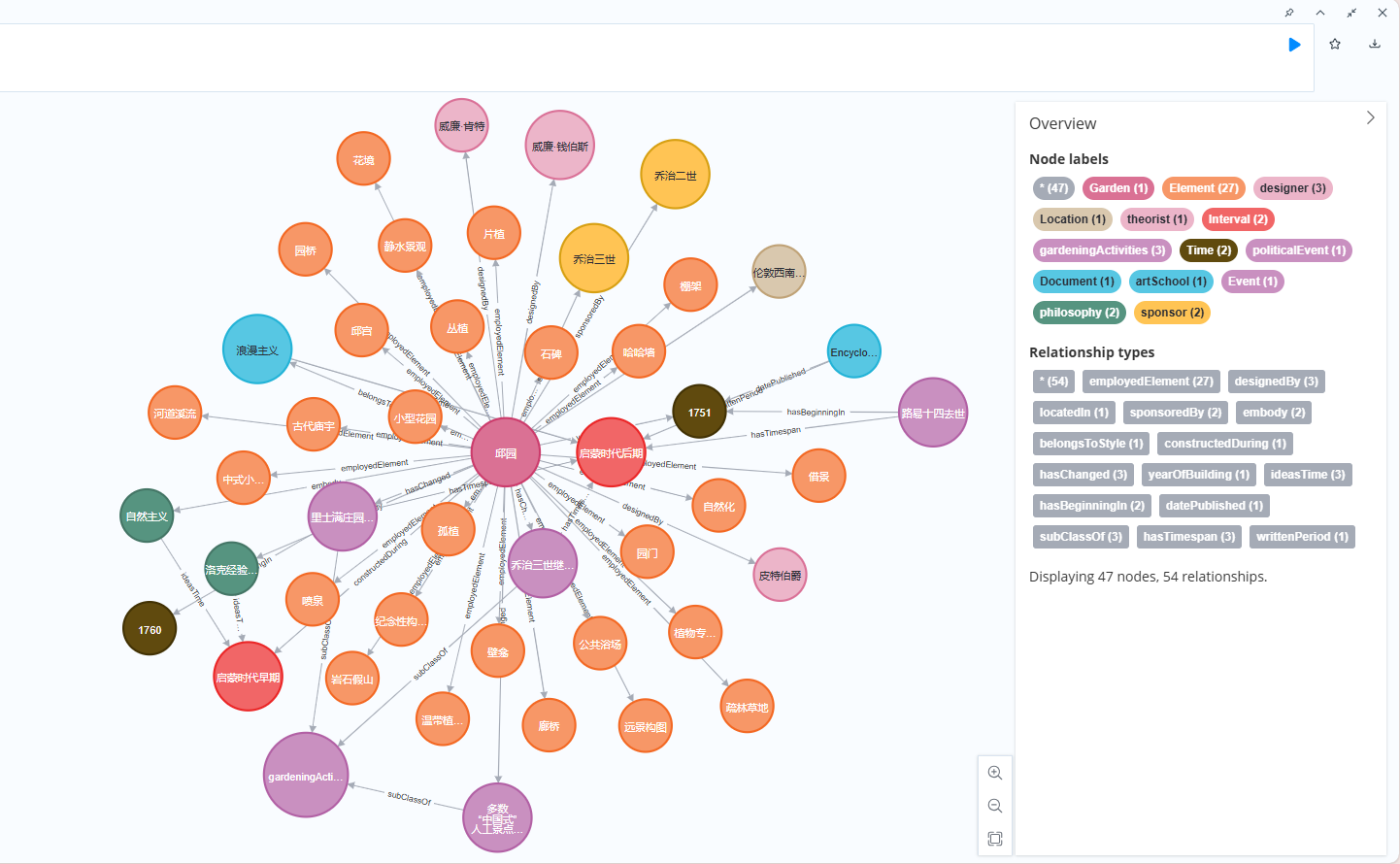 Figure 3 Example of Precise Garden Node Retrieval
At present, the system has been able to process graphic data and output basic analysis, but there is still room for optimization in multimodal data integration (such as semantic association between landscape drawings and text), data supplement in unpopular areas (such as medieval gardens in northern Europe), and docking with Museum guides or education platforms. If you are a cultural and educational institution that wants to develop the digital course of Western landscape, the landscape heritage management party needs historical data to support the restoration work, or the culture and technology company wants to do the digital exhibition of Western landscape, please contact us. We can customize specific theme modules (such as "Renaissance Garden Theme"), or connect with existing systems, so that knowledge mapping technology can better serve academic research and practical application, and promote the inheritance and dissemination of western landscape culture.